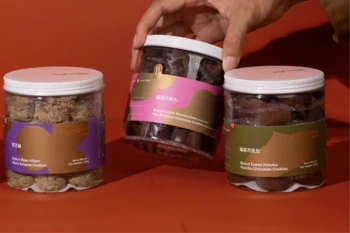


At Joymom’s, HALAL is not simply a label on the packaging. For us, it represents a wider commitment to how ingredients are selected, how products are handled, how production areas are managed, and how we protect the confidence of our customers.
In Malaysia, HALAL certification is not limited to whether a product contains pork or alcohol. JAKIM’s own guidance explains that Malaysia’s HALAL certification covers both Syariah and technical aspects, including cleanliness, purity, product quality and food safety under the broader concept of Halalan Toyyiban.
That means the process looks beyond just the final ingredient list. It also considers how a product is produced, prepared, handled and stored. Applicants are required to provide information such as the ingredients used, ingredient suppliers, HALAL status of critical ingredients, manufacturing processes, packaging materials and the location of the factory or premise.
HALAL Is Also About Cleanliness, Control and Production SOP
One of the biggest misunderstandings about HALAL is that it simply means “no pork”.
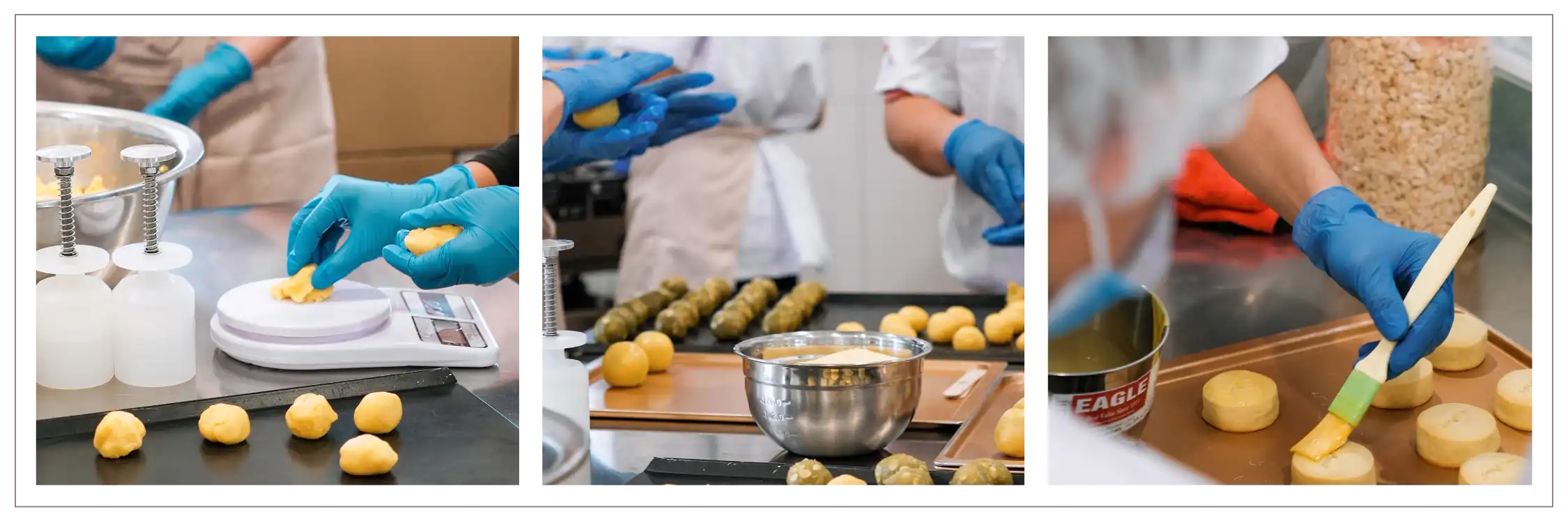
In reality, Malaysia’s HALAL system is much more structured than that. A HALAL-certified operation must pay attention to areas such as ingredient sourcing, supplier information, production flow, cleanliness, storage, handling procedures and internal control systems. JAKIM’s Malaysian Halal Management System also provides frameworks for internal HALAL control and assurance, depending on the size of the business.
These requirements help create a more disciplined production environment. For consumers, that means HALAL certification can also give added confidence that the product has been produced under a more controlled and traceable system, with clearer SOPs around hygiene, ingredients and production handling.
At Joymom’s, this is one of the reasons we take our HALAL practices seriously. It is not only about serving Muslim customers. It is also about maintaining cleaner, more systematic and more responsible food production practices for everyone.
Malaysia HALAL Certification Is Strict for a Reason
Malaysia’s HALAL certification system is known for being highly structured because certification is not simply granted once and then automatically applied to everything a company produces. The certification is tied to specific products, premises and approved conditions. JAKIM requires applicants to submit the name and description of products being certified, the ingredients used, supplier details and production process. The official HALAL portal also states that an additional-product application is required when new products are added after a HALAL certificate has already been issued.
This is an important point:
A HALAL-certified factory does not automatically mean that every future product can immediately carry the HALAL logo. New products and new flavours still need to go through the relevant HALAL documentation and approval process before the logo can be used for that product.

Why Some Joymom’s Products May Not Have a HALAL Logo Printed on the Packaging
Joymom’s is HALAL-certified, but customers may occasionally notice that certain products do not carry the HALAL logo on their packaging. There are a few reasons why this can happen.
New Products and New Flavours Need Time to Complete the Process
Whenever we introduce a new flavour or product, it does not automatically inherit the HALAL status of an existing product. The relevant product still needs to be registered and documented accordingly. This includes checking the ingredients used, their sources and suppliers. JAKIM requires changes involving product brands, ingredients and suppliers to be declared, and applicants are expected to provide supporting information on the HALAL status of ingredients where relevant.
So even when a new Joymom’s product is produced using ingredients that meet our HALAL requirements, there can still be a period where the packaging does not yet display the HALAL logo while the product is going through the required certification process. This is especially common when we introduce new seasonal flavours or develop new products.
The Supplier Matters Too
The ingredients entering that production line matter too. For certification, information on ingredient manufacturers and suppliers must be provided, and the HALAL status or relevant specifications of critical ingredients may need to be documented. That is why ingredient sourcing is an important part of our internal process at Joymom’s.
When we develop or introduce a new product, we cannot simply look at whether the recipe contains pork or alcohol. We also need to pay attention to where the ingredients come from and whether the supporting supplier information meets the requirements we need to maintain.
Why Fresh-Baked Products at Some Joymom’s Retail Stores May Not Carry the HALAL Logo
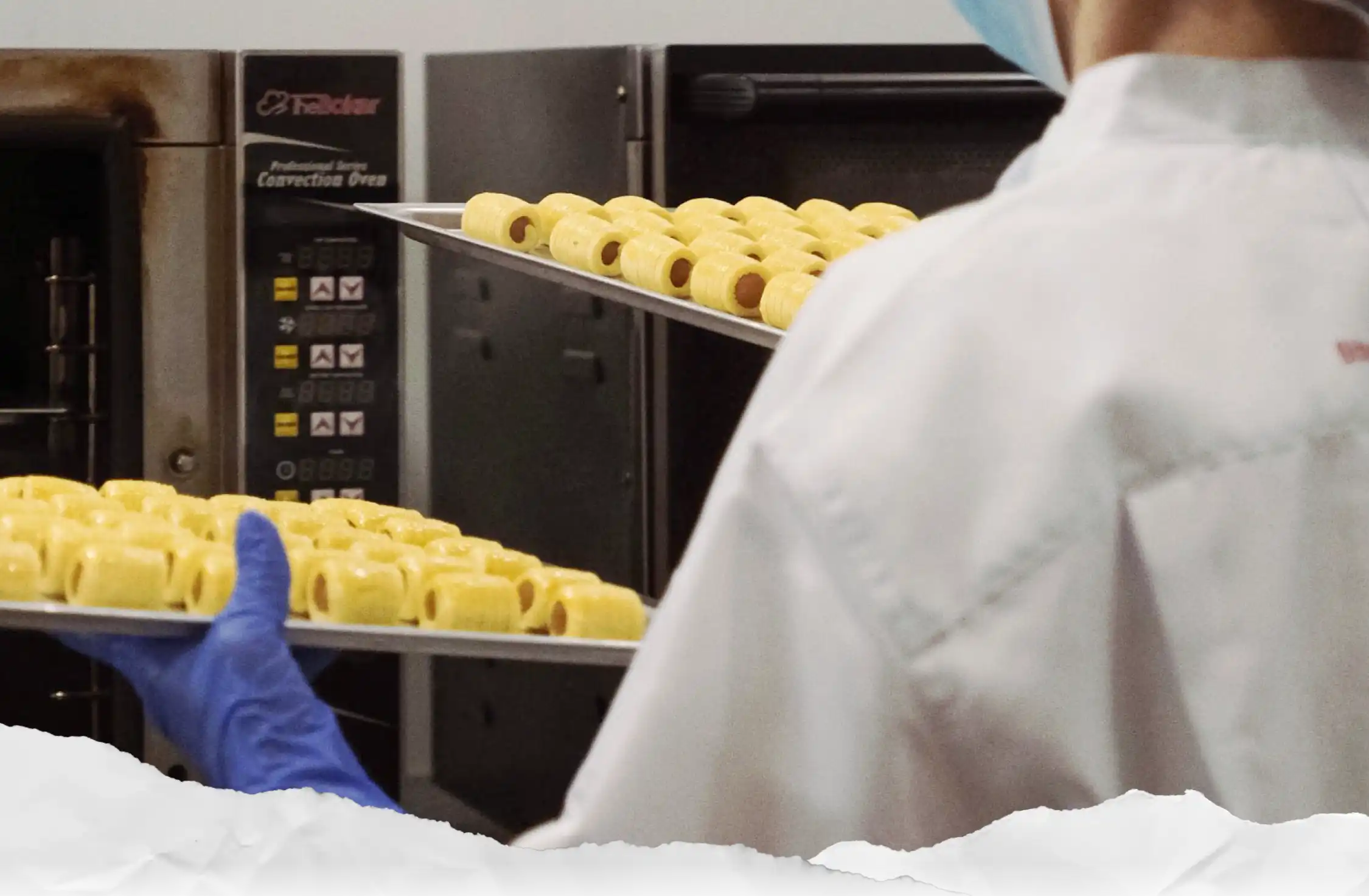
As Joymom’s continues to grow, we now have more fresh-bake retail stores and outlets across Malaysia. Some of our products are baked directly at these retail locations rather than being produced and packed entirely inside our HALAL-certified factory. This creates another important distinction. Malaysia HALAL certification can apply to products, factories and food premises as different certification scopes. A food premise has its own certification category, separate from a factory or product certification.
Because of this, even when the ingredients used at a Joymom’s fresh-bake outlet are supplied from our HALAL-controlled sources and selected according to the same internal standards, we cannot simply print the HALAL logo on a product produced at a retail premise that is not itself covered by the relevant HALAL certification. This is why products freshly baked at certain Joymom’s retail stores may not carry the HALAL logo on their packaging.
It is not because we suddenly changed the ingredients or intentionally lowered our standards. It is because the use of the Malaysia HALAL logo is tied to the specific certified product or premise. JAKIM states that valid certificate holders may use the HALAL logo on the goods or premises covered by the certification.

Even Without the Logo, We Still Try to Follow the Same HALAL SOP
Although some fresh-baked retail items may not carry the HALAL logo, we still try to follow our HALAL SOP as closely as possible. Our ingredients are selected through the same controlled sourcing approach, and we continue to emphasise proper handling, cleanliness, storage and separation practices at our stores.
For us, HALAL is not something we only think about when a logo needs to be printed. It is a way of operating. We want the same mindset around cleanliness, hygiene, ingredient control and responsible production to continue throughout Joymom’s, whether a product comes from our central factory or is freshly baked at one of our retail branches.
Certification Does Not End After Approval
Another important part of Malaysia’s HALAL system is that certification is not simply a one-time approval. HALAL certification comes with continuing responsibilities. JAKIM’s terms state that certification can be withdrawn or terminated if the requirements of the Malaysia HALAL Certification Procedure are breached or if handling practices raise Syariah concerns. JAKIM’s HALAL division is also responsible for certification, inspections, product sample analysis and enforcement activities.
That ongoing monitoring is one of the reasons we value the system. It means businesses have to keep maintaining their procedures instead of simply passing an application once and treating the certificate as permanent. For consumers, that provides another layer of protection and accountability.

What HALAL Means to Joymom’s
At Joymom’s, being HALAL-certified is not only about being able to place a logo on selected packaging.
It represents the standards behind the product.
It means being more careful about ingredients.
It means knowing where those ingredients come from.
It means maintaining clearer production and hygiene SOPs.
It means understanding that every new product, new flavour, new supplier and new production location can affect certification requirements.
And most importantly, it means taking responsibility for the trust customers place in us.
That is also why we prefer to be transparent when a particular product does not yet display the HALAL logo. Instead of treating HALAL as a simple marketing label, we want our customers to understand that the Malaysian HALAL system is strict precisely because the logo carries meaning. And at Joymom’s, we want to respect that meaning.
If You Are Unsure, Ask Us
If you ever see a Joymom’s product without a HALAL logo and would like to know more, our team is always happy to clarify whether it is a newly launched product, a fresh-baked retail item, or another certification-related situation. We would rather explain clearly than leave our customers wondering. Because for us, trust is built not only through certification, but through transparency too.