

Chinese New Year is one of the most anticipated celebrations of the year. For many Malaysian Chinese families, Chinese New Year is not simply about the first and second day of the festival. The celebration begins weeks earlier with spring cleaning, buying new clothes, preparing festive cookies and groceries, followed by the reunion dinner on Chinese New Year’s Eve, visiting relatives and friends, giving ang pow, and finally ending with Chap Goh Mei on the fifteenth day.
In 2027, Chinese New Year falls on Saturday, 6 February 2027. Chinese New Year’s Eve falls on 5 February, while Chap Goh Mei, the fifteenth day of the Lunar New Year, falls on 20 February. So where did Chinese New Year come from? Why do we clean the house before the new year, buy new clothes and prepare festive cookies? Why do some families avoid sweeping the floor or washing their hair on the first day? And what do the different days from Day 1 to Day 15 traditionally represent? Let’s rediscover the traditions behind Chinese New Year together with Joymom’s.
农历新年,是一年之中最让人期待的节日之一。对许多马来西亚华人家庭来说,新年不只是初一、初二的几天假期,而是从年前大扫除、买新衣、准备年饼、办年货,到除夕团圆饭、拜年、派红包,再一直延续到正月十五元宵节的一整段节庆时光。
2027 年农历新年落在 2 月 6 日,星期六;除夕则是 2 月 5 日,正月十五元宵节是 2 月 20 日。那么,我们今天熟悉的农历新年究竟是怎么来的?为什么过年前一定要大扫除、买新衣和准备年饼?初一为什么不扫地、不洗头?从初一到十五,又分别有什么传统意义?这篇就和 Joymom’s 一起重新认识我们每年都在过的农历新年。
The Origin of Chinese New Year: Why Red Decorations and Firecrackers?
农历新年的由来:为什么要穿红色、放鞭炮?
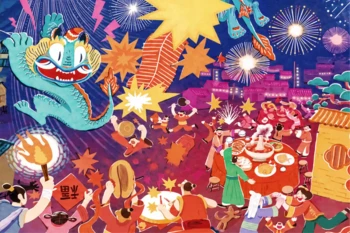
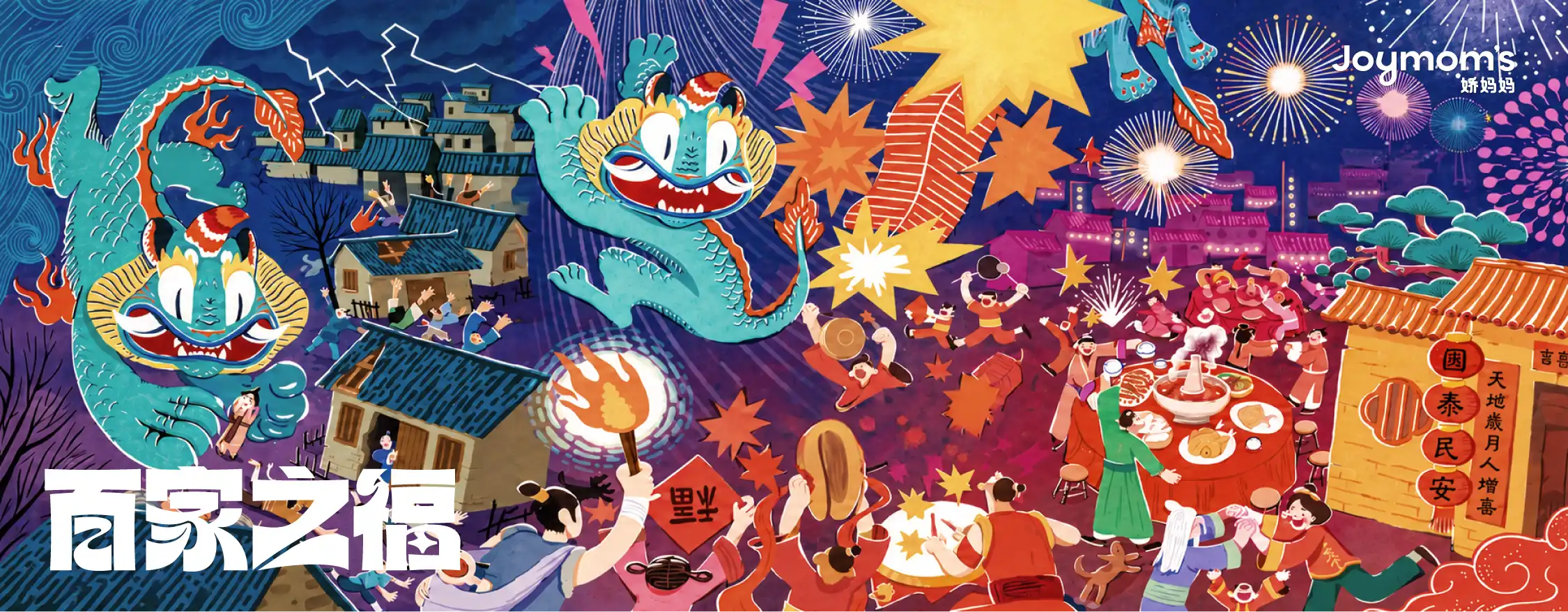
Chinese New Year, also known as the Spring Festival, marks the beginning of a new year according to the traditional lunar calendar. It represents saying goodbye to the old, welcoming the new, celebrating the arrival of spring, and most importantly, bringing families together again. One of the most well-known legends associated with Chinese New Year is the story of the mythical beast called Nian.
According to the legend, Nian would appear at the end of each year. People eventually discovered that the creature was afraid of the colour red, bright lights, and loud noises. This led to traditions such as decorating with red, wearing red clothing, lighting lanterns, and setting off firecrackers. Today, these stories are understood more as cultural legends than historical facts, but red decorations, firecrackers, lanterns, and lively celebrations have remained some of the most recognisable symbols of Chinese New Year. Celebration styles may have changed over time, but the heart of Chinese New Year remains the same — reunion, blessings, sharing, and hope for a better year ahead.
农历新年,也被称为春节,是根据传统农历迎接新一年的节庆,同时也象征辞旧迎新、迎接春天,以及一家人重新团聚的时刻。关于农历新年的起源,流传最广的故事之一就是“年兽”。
传说中,“年”是一只会在岁末出现的怪兽,人们后来发现它害怕红色、火光和巨大的声响,于是开始贴红纸、穿红衣、点灯和燃放爆竹,希望把“年”吓走。虽然今天我们已经不会把这些故事当作历史事实来看待,但红色、鞭炮、灯笼和热闹的庆祝方式,确实已经成为农历新年最具代表性的文化符号之一。随着时代改变,新年的庆祝方式也不断变化,但其中最重要的核心一直没有改变——团圆、祝福、分享,以及对新一年美好生活的期待。
Before Chinese New Year: The Celebration Actually Begins Long Before Day 1
新年前:其实早在初一之前就已经开始过年了
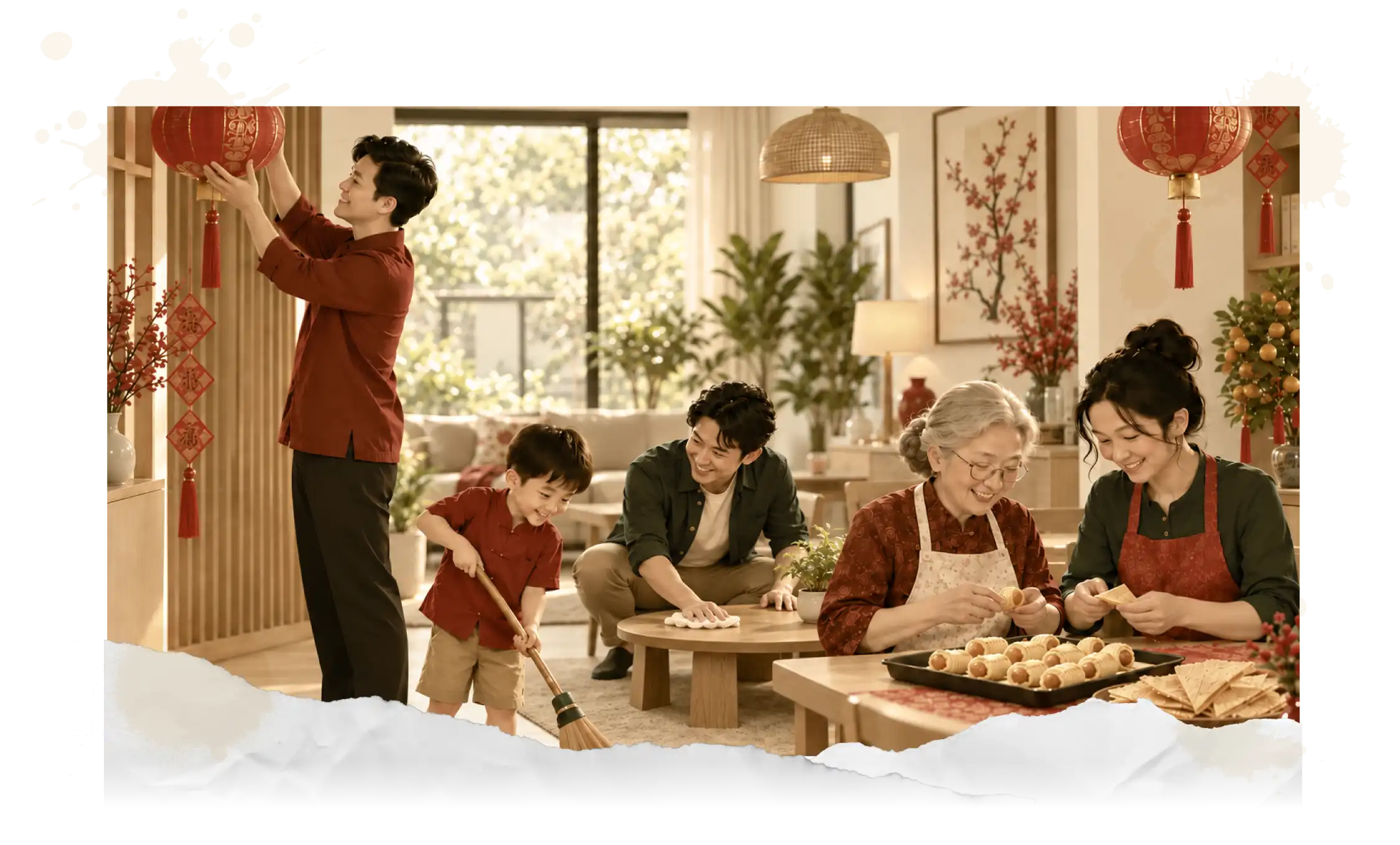
For many families, the festive mood begins several weeks before Chinese New Year. Chinese New Year songs start playing at home and in shopping malls, red lanterns appear everywhere, and families begin preparing festive groceries, gifts, decorations and cookies.
Traditionally, families also carry out a thorough spring cleaning before Chinese New Year. Cleaning the house represents clearing away the old and welcoming a fresh start, preparing a clean and organised home for the year ahead. That is why, if you are planning a major spring cleaning, it is traditionally best to complete it before the first day of Chinese New Year. Then comes one of the most enjoyable parts of preparing for the festival — shopping for new clothes, preparing ang pow, putting up decorations and, of course: Buying Chinese New Year cookies.
对很多家庭来说,农历新年的气氛往往从几个星期前就已经开始。家里开始播放新年歌,商场挂起红灯笼,大家也陆续开始准备年货、礼品、新年装饰和年饼。
传统上,人们会在过年前进行一次彻底的大扫除,把家里整理干净。“扫尘”有辞旧迎新的象征意义,希望把过去一年的旧事清理掉,用一个干净、整齐的家迎接新一年。所以,如果要大扫除,最好在初一之前完成。接下来就是许多人最喜欢的新年准备环节——买新衣、准备红包、购买新年装饰,以及当然少不了的:买年饼。
What Is Chinese New Year Without Festive Cookies in Malaysia?
马来西亚人的新年,怎么可以没有年饼?
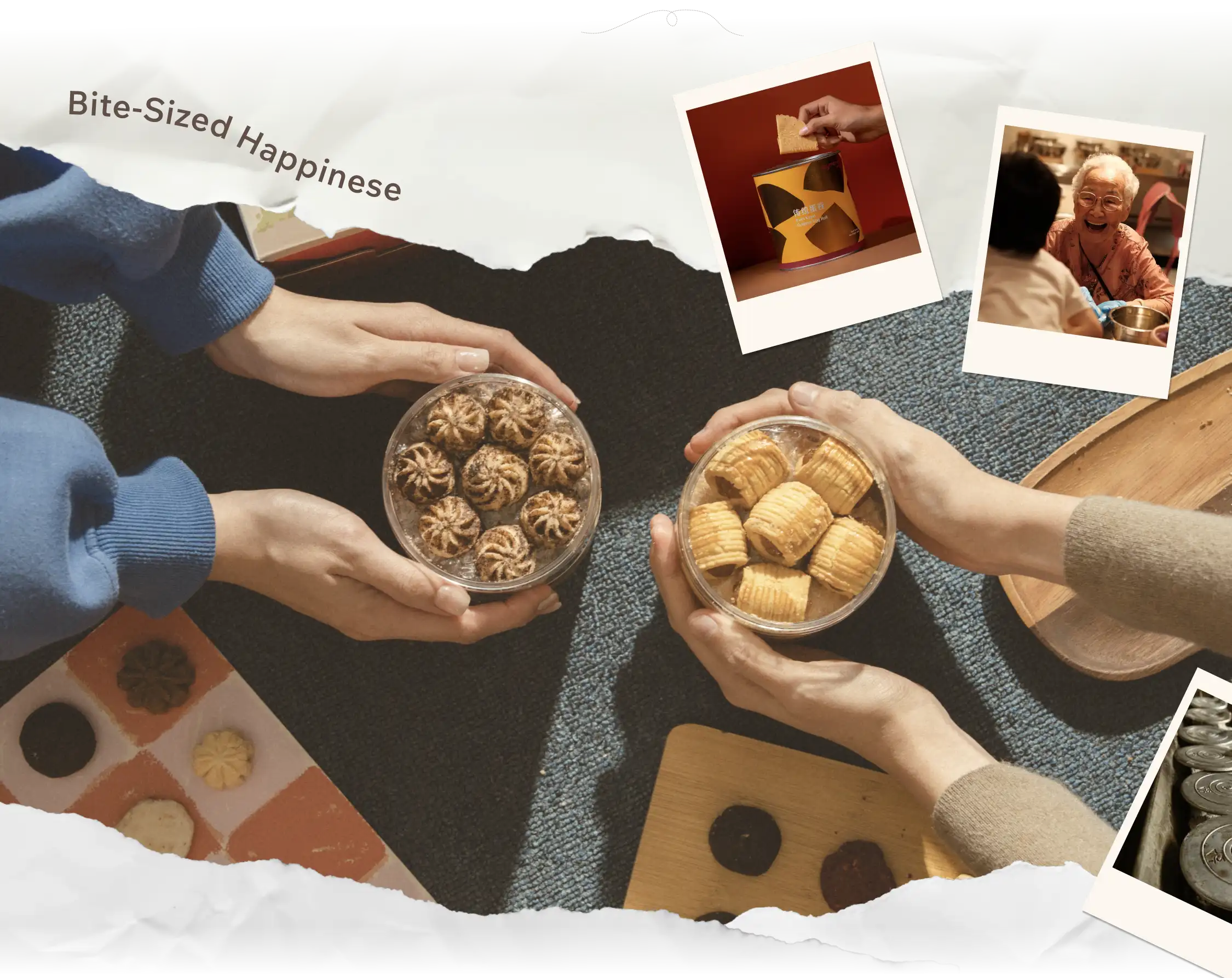
Walk into a Malaysian Chinese home during Chinese New Year and you will rarely see just one type of festive cookie on the table. Jars of cookies are usually lined up one after another, ready to be opened and shared whenever relatives and friends come over for visiting.
Some of the most familiar Chinese New Year treats in Malaysia include Pineapple Tarts, Love Letters or Kuih Kapit, Prawn Rolls, Kuih Bangkit, Butter Cookies and Almond Cookies. Even today, many Malaysian families continue making pineapple tarts, love letters and other traditional festive treats at home. Among them, pineapple tart is especially meaningful. In Hokkien, pineapple is commonly called “Ong Lai”, which sounds like “prosperity is coming”. Because of this auspicious meaning, pineapple tarts have become one of the most iconic Chinese New Year treats in many households. Meanwhile, Kuih Kapit, Kuih Bangkit and other traditional snacks carry a strong Nanyang and Malaysian festive character.
打开一个马来西亚华人家庭的新年桌子,通常都不会只有一种年饼。一罐接一罐摆在桌上,客人来拜年时就一起打开分享,也是我们熟悉的新年画面。
在马来西亚,常见的新年点心包括 黄梨酥、鸡蛋卷、虾米卷、Kuih Bangkit、Butter Cookies、Almond Cookies 等。直到今天,也有很多马来西亚家庭会自己制作黄梨酥、鸡蛋卷和其他传统新年点心。其中,黄梨酥更是非常有代表性。在福建话中,黄梨常被称为 “旺来”,带有“好运、兴旺到来”的吉祥寓意,因此也成为许多家庭新年一定会准备的传统年饼。而 Kuih Kapit、Kuih Bangkit 等,则带着浓厚的南洋与马来西亚本地新年味道。

At Joymom’s, Traditional Chinese New Year Cookies Can Have More Choices
在 Joymom’s,传统年饼也可以有更多选择
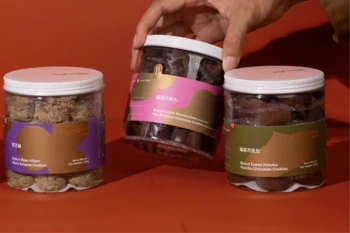
At Joymom’s, we have always loved the feeling that traditional festive cookies bring. They are more than just jars of cookies. For many people, the moment you see them, smell them, or take that first bite, you immediately know that Chinese New Year has arrived. That is why our Chinese New Year collection continues to include familiar classics such as:
- Nan Yang Pineapple Tart 南洋黄梨酥
- Original Egg Roll 原味蛋卷
- Prawn Rolls 虾米卷
- Kuih Bangkit 万吉饼
- Traditional Butter Cookies 原味奶油酥
- Almond Cookies 白杏仁
But while we love preserving traditional flavours, we also want Chinese New Year to evolve with the way people enjoy food today. That is why the Joymom’s cookie collection also includes more contemporary flavours, giving younger customers, families and gift-givers more choices beyond the traditional festive favourites. Traditions can be preserved, while new flavours continue to become part of the celebration.
Chinese New Year Eve: The Dinner Everyone Comes Home For
除夕:一家人一定要回来的那一餐
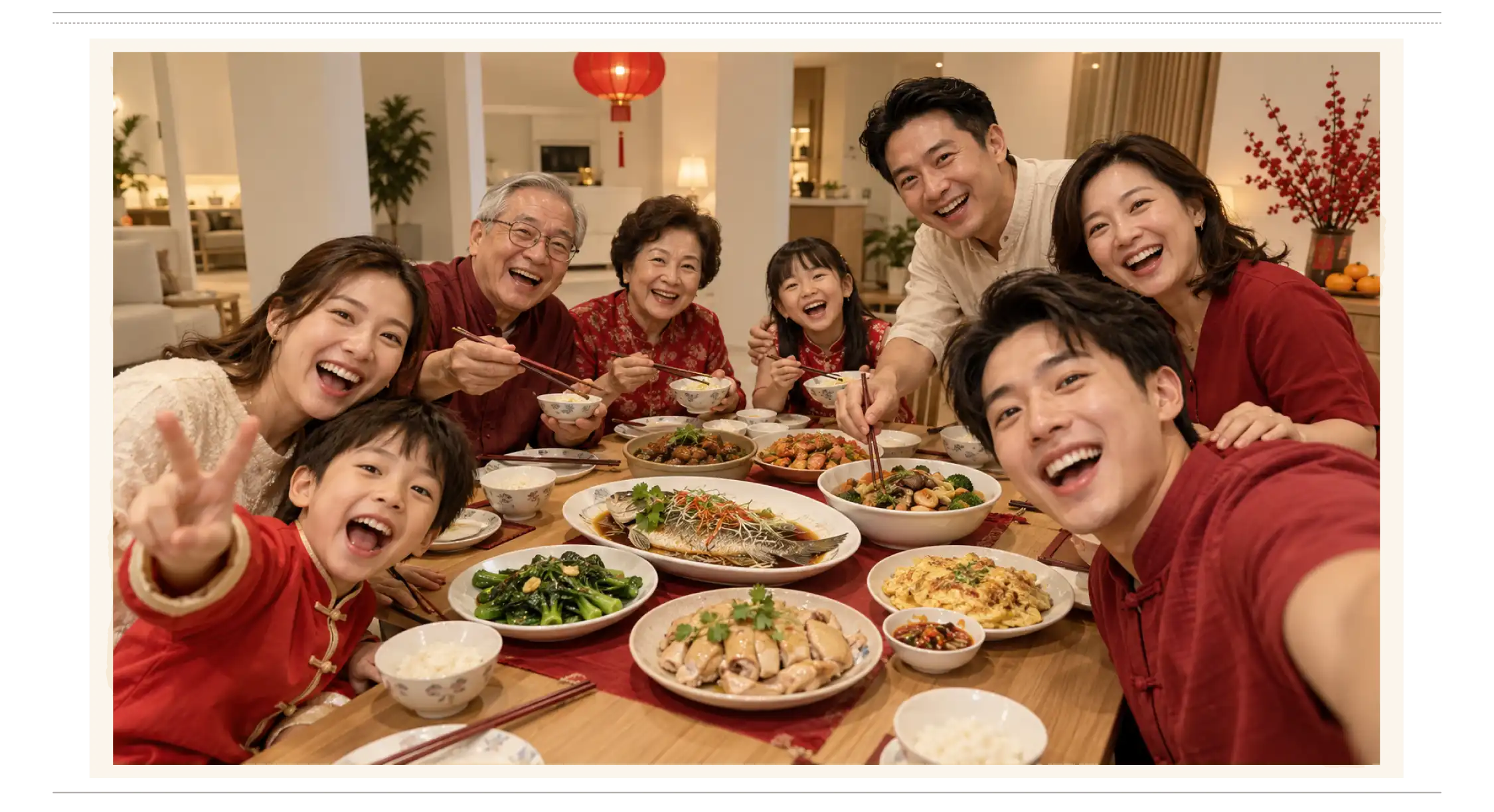
Chinese New Year’s Eve in 2027 falls on 5 February, and it is one of the most important days of the entire festive period. No matter how busy work becomes or how far away family members live, many will still try their best to return home for the reunion dinner. The true meaning of reunion dinner is not about how many dishes are served on the table. It is about finally having everyone sitting together again. After dinner, some families give out ang pow, chat, watch festive programmes or stay awake together until midnight in a tradition known as Shou Sui, welcoming the arrival of the new year. And then, the first day of Chinese New Year officially begins.
到了 2027 年 2 月 5 日除夕,就是整个新年里非常重要的一天。无论平时工作多忙、住得多远,很多家庭都会尽量回家吃一顿 团圆饭。团圆饭真正重要的往往不是桌上有多少道菜,而是一家人终于可以坐在一起。饭后,有些家庭会派红包、聊天、看新年节目,也有人会“守岁”,一起等到午夜迎接新一年的到来。然后,就是正式进入大年初一。
Chinese New Year 2027: What Happens from Day 1 to Day 15?
2027 初一到十五:每一天有什么传统?
Chinese New Year customs vary between dialect groups, regions and individual families. The following traditions are therefore best understood as common cultural references, rather than strict rules that every Malaysian Chinese family follows.
不同籍贯、地区和家庭的习俗都会有所不同,因此以下比较适合作为 常见传统参考,并不是每个马来西亚华人家庭都会完全按照同一种方式庆祝。
Day 1 | 6 February: Visiting, New Clothes and Auspicious Greetings
初一|2 月 6 日:拜年、穿新衣、说吉祥话
The first day marks the official beginning of Chinese New Year. Many families wear new clothes, visit elders, exchange auspicious greetings, and children look forward to receiving ang pow. Greetings such as Gong Xi Fa Cai, Happy New Year, Good Health and May Everything Go Smoothly can be heard everywhere. Traditionally, what happens on the first day is believed to set the tone for the year ahead. Because of this, people try to stay cheerful, avoid arguments, and speak positively.
大年初一是新年的第一天。很多家庭会穿上新衣,向长辈拜年、说吉祥话,小朋友则最期待收到红包。“恭喜发财”、“新年快乐”、“身体健康”、“万事如意”,这些熟悉的新年祝福,也从这一天开始不断出现。传统观念里,初一发生的事情象征着新一年的开端,因此大家都会尽量保持开心、避免争吵,也避免说不吉利的话。
Common Day 1 Taboos
初一常见禁忌
Traditionally, some families avoid the following on the first day | 传统上,初一通常会避免
Sweeping the floor — believed to sweep away wealth and good fortune | 扫地,担心把新年的财气和好运一起“扫出去”
Washing hair — traditionally associated with washing away prosperity | 洗头,有“把财运洗掉”的传统说法
Doing laundry — some traditions recommend avoiding washing on the first day | 洗衣服,部分传统同样认为新年第一天应避免清洗
Breaking things — broken objects may symbolise broken luck or financial loss | 打破东西,破裂容易让人联想到“破财”或“破运”
Using unlucky words — words relating to loss or failure are often avoided | 说不吉利的话,例如 “输”、“破”等
Arguing or losing your temper — families hope to begin the year peacefully | 争吵或发脾气,希望新一年从和气开始
These are traditional folk customs rather than rules that must be followed today, and practices differ from family to family.
这些属于民间传统与习俗,并不是现代生活必须遵守的规则,各家庭的做法也会不同。
Day 2 | 7 February: Married Daughters Return Home
初二|2 月 7 日:回娘家
Traditionally, the second day is associated with married daughters returning to their parents’ home. They may visit together with their husbands and children, bringing gifts and festive treats to reunite with their parents and family. Modern Malaysian families may not follow this tradition strictly, but Day 2 remains one of the busiest days for visiting relatives.
传统上,初二常被称为“回娘家”的日子。已经出嫁的女儿会和丈夫、孩子一起回到娘家,与父母及家人团聚,也会带上一些礼物或年货。在马来西亚现代家庭里,当然不会每个人都严格按照这一天安排,但初二仍然是非常热门的拜年日。
Day 3 | 8 February: Traditionally a Quieter Day
初三|2 月 8 日:赤口,传统上少拜年
The third day is traditionally known as Chi Kou, or “Red Mouth”, and is sometimes believed to be a day when arguments are more likely to happen. Some families therefore choose to reduce social visits and spend the day resting at home. After the reunion dinner and two full days of visiting, it can also be a welcome opportunity to slow down.
传统上初三又有“赤口”的说法,认为这一天比较容易发生口角,因此一些家庭会减少外出拜年,把这一天留给自己休息。 经过除夕、初一、初二连续几天的聚会,某种程度上来说,初三也确实很适合在家休息一下。
Day 4 | 9 February: Welcoming the Deities and Praying for Blessings
初四|2 月 9 日:迎神、祈福
In some traditions, Day 4 is associated with welcoming deities back and praying for peace and good fortune. Families may prepare offerings and burn incense, although customs vary greatly depending on family background, dialect group and beliefs.
部分传统习俗中,初四是迎神和祈福的日子,人们会准备供品、上香,祈求新一年平安顺利。不同家庭、籍贯和信仰的庆祝方式会有很大差异。
Day 5 | 10 February: Breaking the Taboos and Welcoming the God of Wealth
初五|2 月 10 日:破五、迎财神
The fifth day is traditionally known as Po Wu, meaning that some of the restrictions observed during the first few days may begin to end. Some communities also welcome the God of Wealth on this day, praying for business success and financial prosperity. Many businesses gradually resume operations around this time as well.
到了初五,传统上称为“破五”。意思是新年前几天的一些禁忌可以逐渐解除,有些地区也会在这一天迎财神,希望新一年生意兴隆、财运顺利。很多商家也会在初五之后陆续恢复营业。
Day 6 | 11 February: Clearing Away the Old and Returning to Work
初六|2 月 11 日:送穷、开工
Day 6 is associated with the folk custom of “sending away poverty”, which traditionally involves clearing rubbish and unwanted items from the home. It symbolises removing bad luck and making space for better things in the year ahead. After avoiding major cleaning during the first few days, this is also when households may begin cleaning properly again.
初六有“送穷”的民间说法,把家里累积的垃圾和旧东西清理掉,也象征把不好的运气送走。过年前几天没有扫的地,这个时候终于可以认真整理了。传统上,初六也常被视为适合恢复工作和清理旧物的一天。
Day 7 | 12 February: Ren Ri — Everyone’s Birthday
初七|2 月 12 日:人日,大家的生日
The seventh day is known as Ren Ri, or the “birthday of humankind”. According to traditional legend, this is the day humanity was created, making it symbolically everyone’s birthday. In Malaysia and Singapore, Chinese New Year is also closely associated with Yee Sang. Families, friends and colleagues toss the colourful ingredients high into the air while calling out auspicious wishes such as prosperity, success and good fortune.
初七又称为 “人日”。传统传说认为,这一天是“人类诞生”的日子,因此也被称为所有人的生日。在马来西亚和新加坡,不少家庭及公司会在新年期间吃 捞生(Yee Sang),大家一起把食材高高捞起,一边说着“大吉大利”、“步步高升”、“生意兴隆”等吉祥话。
Day 8 | 13 February: Preparing to Pray to the Jade Emperor
初八|2 月 13 日:准备拜天公
For many Hokkien families, the evening of Day 8 is particularly important. Families begin preparing offerings for the celebration of the Jade Emperor’s birthday on Day 9, with prayers often beginning around midnight.
对许多福建家庭来说,初八晚上是非常重要的时刻。 大家会开始准备初九“拜天公”所需要的供品,在午夜前后进行祭拜。
Day 9 | 14 February: Jade Emperor’s Birthday
初九|2 月 14 日:天公诞
Day 9 is traditionally celebrated as the birthday of the Jade Emperor, commonly referred to as Bai Tian Gong. For many Hokkien families in Malaysia, it is one of the most important celebrations during the Chinese New Year period. Families may prepare elaborate offerings, burn incense and pray for peace, good fortune and blessings in the year ahead.
初九是传统上的 天公诞,也就是玉皇大帝诞辰。对不少马来西亚福建家庭来说,这甚至是整个农历新年期间非常隆重的一天,会准备供品、烧香祈福,希望新一年平安顺利。
Day 10–11 | 15–16 February: More Visiting and Family Gatherings
初十至初十一|2 月 15–16 日:继续拜年与家庭聚会
By Day 10, Chinese New Year celebrations usually begin to slow down slightly, but many families continue visiting relatives, enjoying meals and gathering together. Some traditions also associate Day 11 with fathers-in-law entertaining their sons-in-law, although most modern families do not strictly follow every traditional date.
来到初十以后,新年的节奏会稍微放慢,但很多家庭仍然会继续拜年、聚餐和探访亲友。传统习俗中,初十一也有岳父宴请女婿等说法,但现代家庭通常不会严格按照这些日期进行。
Day 12–14 | 17–19 February: Preparing for Chap Goh Mei
初十二至十四|2 月 17–19 日:准备元宵节
Chinese New Year is gradually approaching its final celebration. Traditionally, these days are used to prepare lanterns, food and activities for the fifteenth day.
农历新年逐渐接近尾声。传统上,这几天会开始准备灯笼、食物以及正月十五的活动,为元宵节做准备。
Day 15 | 20 February: Chap Goh Mei, the Final Day of Chinese New Year
正月十五|2 月 20 日:元宵节,新年的最后一天
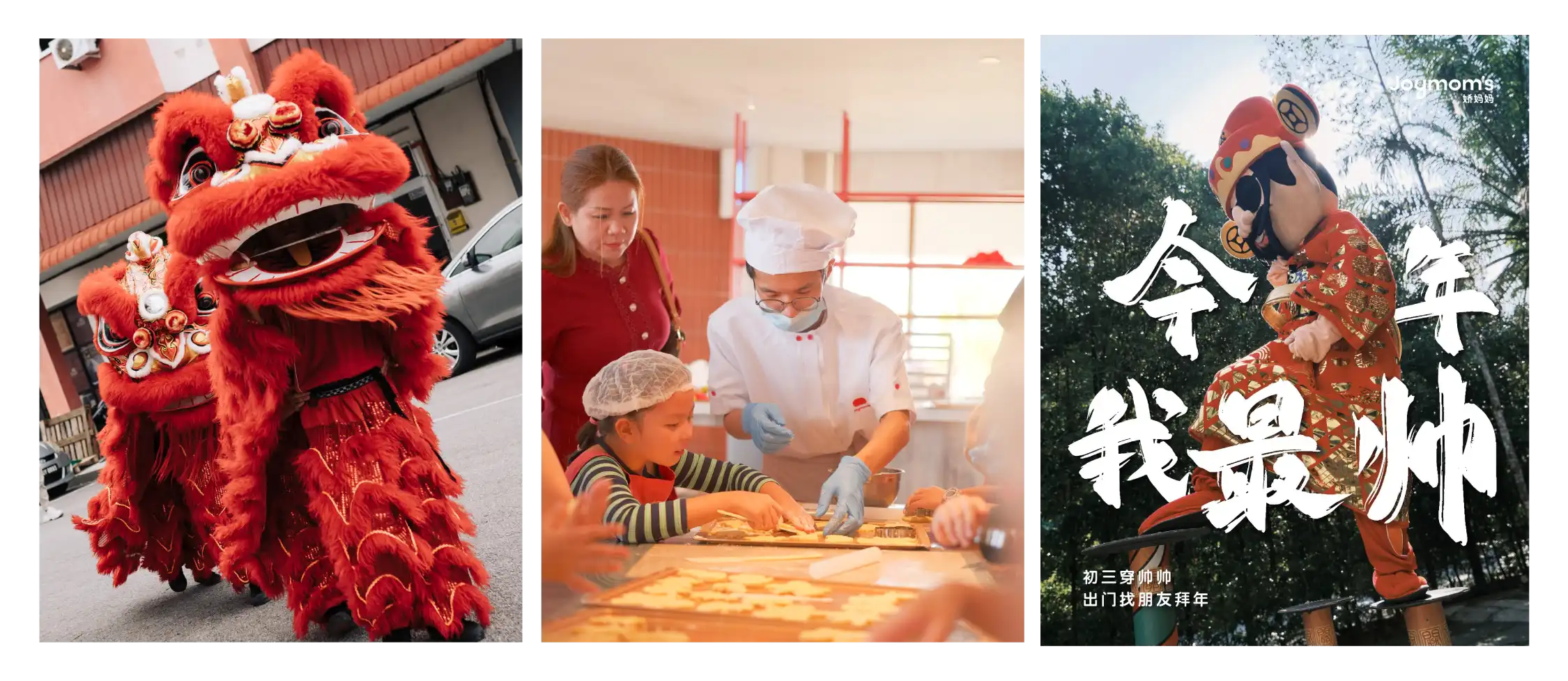
The fifteenth day, known as the Lantern Festival or Chap Goh Mei in Malaysia, traditionally marks the final day of the Chinese New Year celebrations. Traditional activities include viewing lanterns, solving lantern riddles, and enjoying dragon and lion dance performances. Malaysia also has its own local Chap Goh Mei tradition. In some communities, unmarried men and women participate in orange throwing, hoping for good romantic fortune in the year ahead. After celebrating from Chinese New Year’s Eve all the way to Day 15, the festive season officially comes to an end.
正月十五就是 元宵节,在马来西亚也常称为 Chap Goh Mei,传统上被视为整个农历新年庆祝活动的最后一天。传统庆祝活动包括赏灯、猜灯谜和舞龙舞狮等。而在马来西亚,元宵节还有一个很有本地特色的习俗——一些未婚男女会参与 “抛柑”,为新一年祈求好姻缘。从除夕一路庆祝到十五,新年也在这一天正式告一段落。
What Truly Matters During Chinese New Year Is Still the People Around Us
新年真正重要的,其实还是“人”
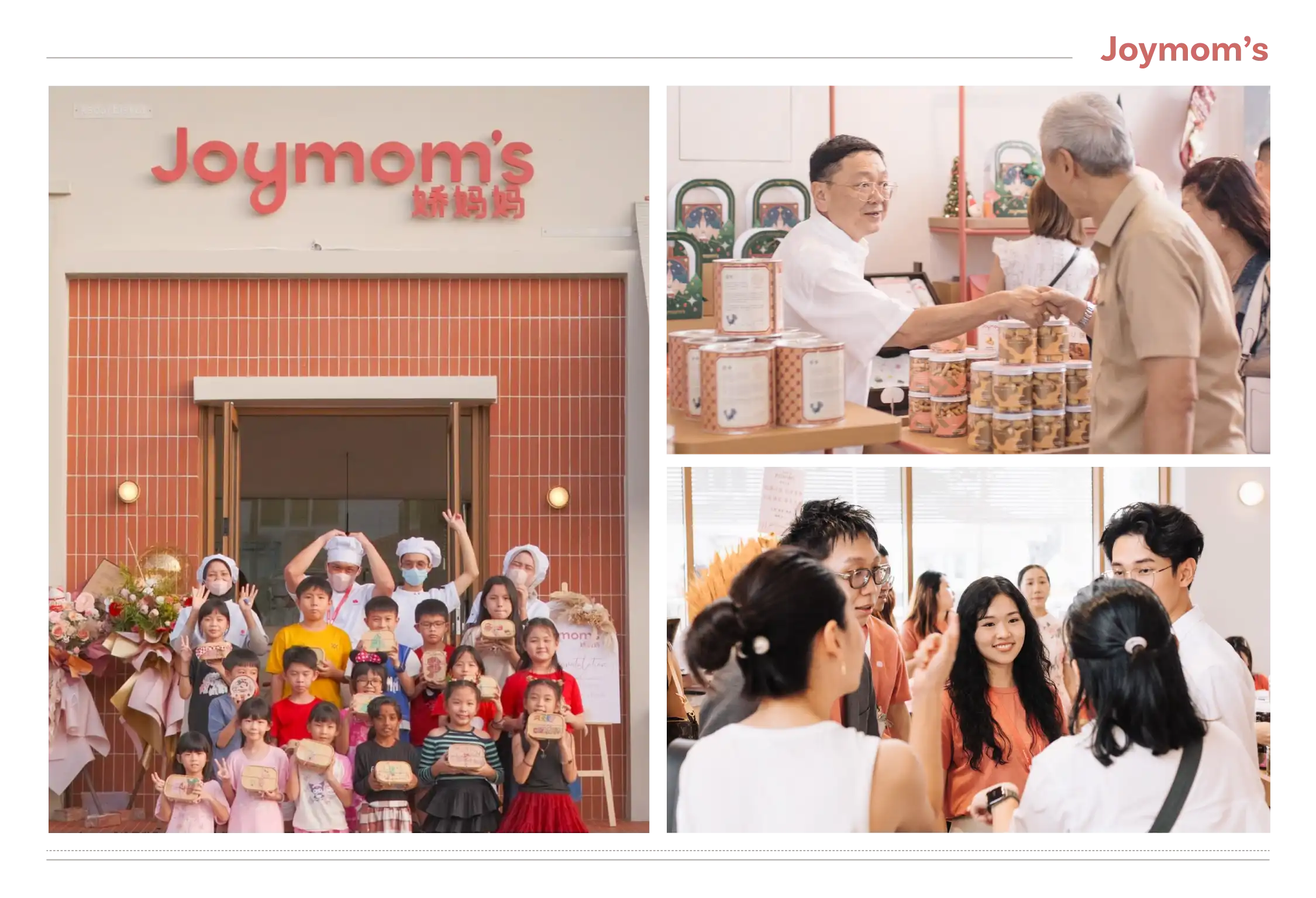
The way we celebrate Chinese New Year today is very different from how families celebrated decades ago. Some families no longer bake their own festive cookies. Traditional outfits may be replaced with more modern festive fashion. Work and distance may also make it difficult to visit every relative according to the traditional schedule.
But some things have never really changed. Cleaning the house before Chinese New Year. Buying a new outfit. Preparing jars of festive cookies for guests. Returning home for reunion dinner. Saying “Happy Chinese New Year” on the first day. Visiting relatives with gifts. Opening a jar of pineapple tarts or love letters and sharing them around the table. These simple rituals are what make Chinese New Year feel familiar to us.
我们现在庆祝农历新年的方式,已经和几十年前很不一样。有人不再自己烘年饼,有人把传统服装换成更现代的新年穿搭,也有人因为工作和距离,不一定能够按照传统日期逐家拜年。
但有些事情一直没有改变。过年前把家整理好,买一套新衣服;准备好一罐罐年饼等亲友到来;除夕回家吃团圆饭;初一说一句“新年快乐”;带着礼物去拜年;打开桌上的黄梨酥和鸡蛋卷一起分享。这些小小的习惯,才组成了我们熟悉的新年。
This Chinese New Year, Keep the Familiar Festive Cookies on the Table
这个新年,让熟悉的年饼继续留在桌上
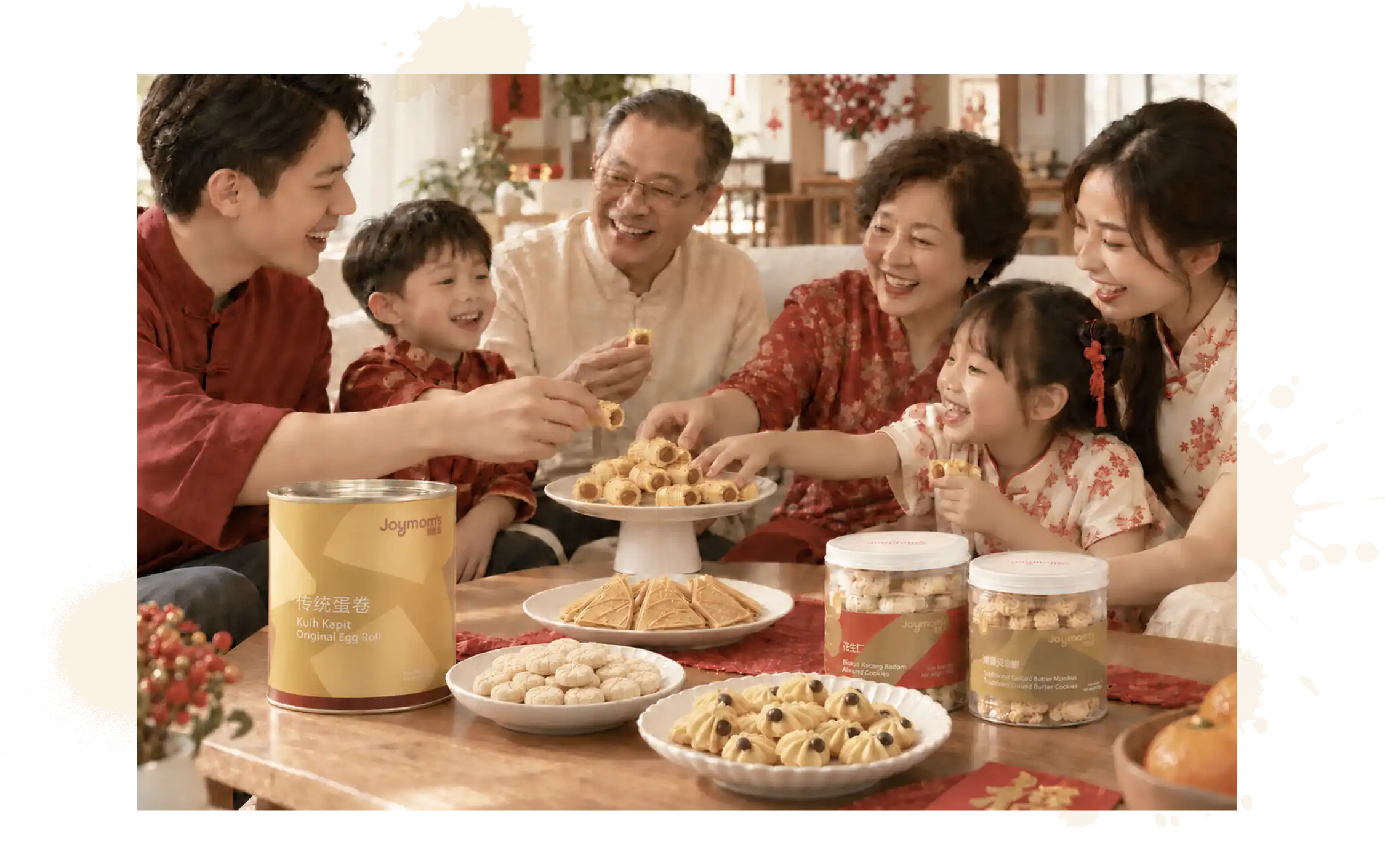
At Joymom’s, we have always believed that tradition does not have to remain exactly the same forever. We want to continue preserving the familiar festive favourites — Nan Yang Pineapple Tart, Love Letters, Prawn Rolls, Kuih Bangkit, Butter Cookies and Almond Cookies — while also introducing more flavours that suit the way people celebrate today. A jar of Chinese New Year cookies may seem simple, but it is often the first thing opened when guests arrive. It sits on the table throughout the festive season, shared again and again with family, friends and visitors.
It is one of those Chinese New Year traditions that we repeat every year, yet somehow never grow tired of. 6 February 2027 marks the beginning of another Chinese New Year. Buy the new clothes. Prepare the festive groceries. Fill the ang pow. Pick your favourite festive cookies.
And then, go home.
Perhaps that is how traditions continue from one generation to the next — simply because every year, we choose to do them all over again.
在 Joymom’s,我们一直觉得传统并不一定要一成不变。我们希望把大家熟悉的 南洋黄梨酥、鸡蛋卷、虾米卷、Kuih Bangkit、Butter Cookies、Almond Cookies 继续保留下来,同时也加入更多符合现代口味的 cookie selection。因为一罐年饼看起来很简单,但它可能是客人到家时第一样打开分享的东西,也是整个新年期间不断和家人朋友一起分享的味道。
这是我们每一年都会重复很多次,却依然不会觉得厌倦的新年仪式。2027 年 2 月 6 日,又是一个新的农历新年。买新衣、准备年货、装红包、买好年饼。
然后,回家。
有些传统之所以能够一代一代留下来,大概就是因为我们每一年,都愿意再把它做一次。
Joymom's
Bite-sized Happiness 一口大小的幸福